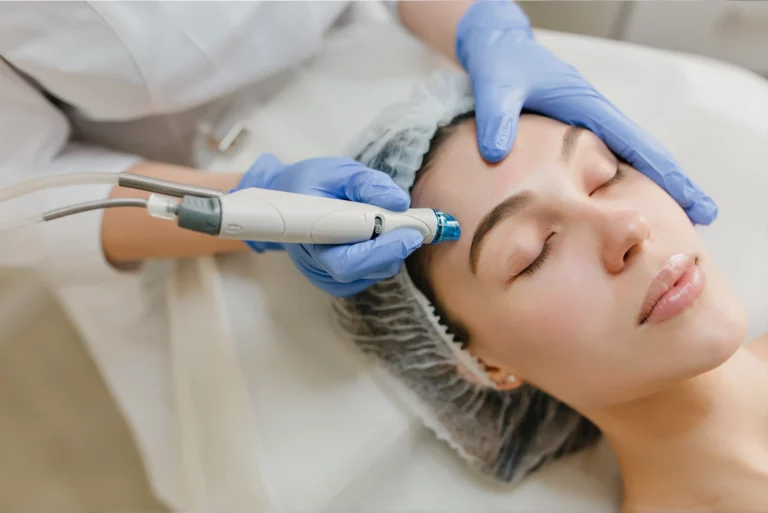
Microdermabrasion Facial Perth
Common Names: Exfoliation Facial, Dead Skin Cell Removal
Microdermabrasion is a non-invasive skin treatment designed to gently exfoliate the outer layer of the skin, known as the stratum corneum. During treatment, a handheld device fitted with either fine crystals or a diamond-tipped wand is used to remove surface cells while a light suction action clears away the exfoliated material.
This process aims to refresh the skin’s surface and support normal skin renewal. The treatment is typically well tolerated and involves minimal downtime, allowing most people to return to their regular activities shortly after.
Individual experiences and outcomes may vary depending on skin type, treatment settings, and overall skin condition. Your practitioner will assess your skin and discuss whether microdermabrasion is appropriate for you.
Cosmetic skin treatments, including facials and device-based procedures, are non-medical services intended to support the appearance of the skin. Individual results may vary based on skin type, lifestyle factors, and treatment consistency.
All treatments require a consultation with a qualified practitioner to determine suitability and discuss potential risks, side effects, and expected outcomes. These treatments are not intended to diagnose, treat, or prevent any medical conditions.
PRICING
$120 Per Session
SEE IT FIRST HAND
What To Expect
Frequently Asked Questions
Is a microdermabrasion facial right for me?
Microdermabrasion can be adapted to different skin types and treatment goals. The intensity and frequency of the treatment are determined by your practitioner based on your individual skin condition and overall skincare plan.
Some people choose to have a series of treatments over time, with sessions spaced at intervals recommended by their practitioner. Others may include microdermabrasion as part of a maintenance or general skin-care routine, depending on their needs and preferences.
Your practitioner will assess your skin during consultation and advise whether microdermabrasion is suitable for you.
What should I do after my microdermabrasion facial treatment?
During a microdermabrasion treatment, a handheld device is used to gently exfoliate the outer layer of the skin, known as the stratum corneum. The device may use fine crystals or a diamond-tipped wand to abrade the skin’s surface while simultaneously applying light suction to remove the exfoliated material.
This process helps to refresh the skin’s surface and supports the skin’s normal renewal cycle. Your qualified practitioner can explain how microdermabrasion is performed and whether it is suitable for your skin type and goals.
How does microdermabrasion work?
During a microdermabrasion treatment, a handheld device is used to gently exfoliate the outer layer of the skin, known as the stratum corneum. The device may use fine crystals or a diamond-tipped wand to abrade the skin’s surface while simultaneously applying light suction to remove the exfoliated material.
This process helps to refresh the skin’s surface and supports the skin’s normal renewal cycle. Your qualified practitioner can explain how microdermabrasion is performed and whether it is suitable for your skin type and goals.
How long does a microdermabrasion treatment take?
A microdermabrasion treatment usually takes up to 30 minutes, depending on the area being treated and the device settings used. If additional areas, such as the neck or décolletage, are included, the appointment may take up to an hour.
Your practitioner will confirm the expected duration of your treatment based on your individual plan.
How many microdermabrasion treatments are required?
The number of microdermabrasion treatments recommended can vary depending on your skin type, treatment goals, and individual response. Some people choose to have a series of treatments spaced several weeks apart, allowing time for the skin to recover between sessions.
Your practitioner will discuss an appropriate treatment schedule based on your skin’s needs and how it responds over time.
How often do I need follow-up treatments?
The frequency of follow-up microdermabrasion treatments can vary depending on your skin type, treatment goals, and how your skin responds to each session.
Some people choose to have periodic follow-up treatments as part of their ongoing skincare plan, based on practitioner recommendations and individual preferences.
Your practitioner will discuss whether follow-up treatments are suitable for you and advise on an appropriate schedule.
Does a microdermabrasion facial feel uncomfortable?
Microdermabrasion is a non-invasive treatment that most people find comfortable and easily tolerated.
During the treatment, you may notice a light scratching or tingling sensation as the device moves across the skin. Some areas, such as around the eyes, may feel slightly more sensitive than others.
Your practitioner can adjust the treatment settings to maintain your comfort throughout the session.
How do I prepare for microdermabrasion?
Before your microdermabrasion treatment, your practitioner will review your treatment history, current skincare routine, and any products or treatments you’re using. This helps determine the best way to prepare your skin and ensure safe treatment outcomes.
You may be advised to avoid certain topical products, active ingredients, or other cosmetic treatments, such as waxing or laser procedures, for a short period before your appointment. Limiting excessive sun exposure in the days leading up to treatment may also be recommended.
Your practitioner will provide specific preparation advice suited to your individual skin type and circumstances.
How do I prepare for microdermabrasion?
No pre-medication is needed, but you may be advised to stop using some medications that may increase the risk of major bleeding, such as Retin-A, Renova, Differin, or glycolic acid products. You should not have any waxing, laser treatments, or excessive sun exposure at least a week prior to treatment.
What is the downtime after microdermabrasion?
Microdermabrasion is a non-invasive treatment, and most people can resume normal daily activities soon after their session. Some individuals may experience temporary redness or mild sensitivity, similar to a light sun exposure, which usually settles within a short time.
Your practitioner will provide aftercare recommendations, which may include advice on skincare and when it is appropriate to apply cosmetic products following treatment.
Before & After
No before and after gallery found.